Cracked Roof Ridge Mortar:
How to Repair It

Why Does Roof Ridge Mortar Crack?
Traditional roof mortar is made from sand and cement. Once cured, it becomes hard and rigid. Your roof, however, is constantly exposed to movement caused by temperature changes, wind and the natural expansion and contraction of the roofing materials.
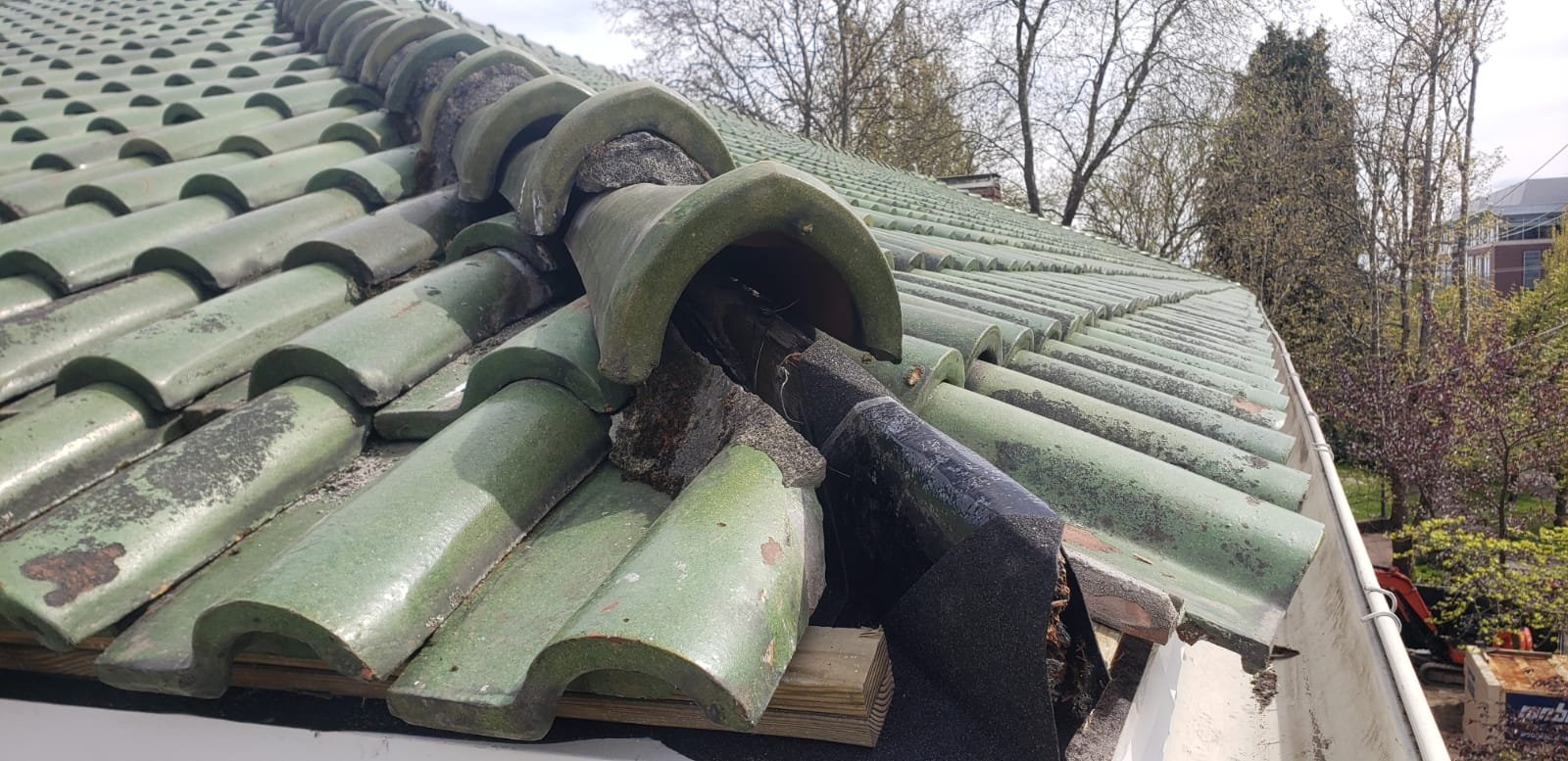
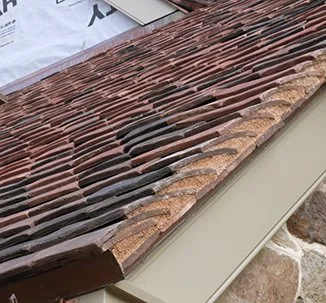
Over time, this movement can cause the mortar around ridge and hip tiles to crack, separate from the tiles or begin to crumble.
Small cracks do not always mean the ridge tiles need to be completely removed and re-bedded. The condition of the mortar, whether the tiles are loose, and how extensive the deterioration is will determine the appropriate repair.
Can Cracked Ridge Mortar Be Repaired?
Yes, but the right repair depends on the condition of the existing mortar and whether the ridge or hip tiles are still secure.
If the existing mortar is generally sound and the tiles are firmly in place, it may be possible to remove the loose or deteriorated material and repair the affected areas.
If the mortar is badly cracked, crumbling or separating from the tiles, a more extensive repair may be necessary. Loose ridge or hip tiles may need to be removed, the old mortar cleaned away, and the tiles re-bedded and secured.
Before starting a repair, check the entire ridge or hip rather than just the most obvious crack. Deterioration can extend farther than it first appears.
What Are The Options For Repairing Ridge Mortar?
There are two common approaches to re-bedding or repairing ridge and hip tiles: traditional sand-and-cement mortar or a flexible roof mortar.
Traditional Cement Mortar
Sand-and-cement mortar has been used on tiled roofs for generations. It creates a hard bedding for ridge and hip tiles, but because it cures rigid, movement in the roof can eventually lead to cracking and separation.
Flexible Roof Mortar
Flexible roof mortar is a ready-to-use alternative that does not require mixing with water or cement. Rather than curing into a rigid material, it remains flexible and can accommodate normal movement in the roof.
Flexim Roof Mortar is a ready-to-use flexible roof mortar designed for installing and repairing ridge and hip tiles on clay and concrete tile roofs. It can be applied directly from the box and is immediately weatherproof after installation.
Why Use Flexible Mortar on a Tile Roof?
A tile roof is not completely stationary. Roof tiles and the structure beneath them expand and contract as temperatures change, and the roof is also exposed to wind, rain and other weather conditions.
Traditional cement mortar cures hard. When movement occurs, the mortar cannot flex with the roof, which can contribute to cracking or separation over time.
Flexim remains permanently flexible rather than curing into a rigid cement-like material. This allows it to accommodate normal roof movement while continuing to form a weatherproof bedding around ridge and hip tiles.
Because Flexim is supplied ready to use, there is also no mixing, measuring or waiting for cement mortar to cure. Once installed, it is immediately resistant to rain.
How Flexim Is Installed on Ridge and Hip Tiles
Whether Flexim is being used for a new installation or to re-bed ridge or hip tiles during a repair, proper preparation and installation are important. The exact work required will depend on the condition and construction of the existing roof.
1. Remove Loose Mortar
Remove loose, cracked or deteriorated mortar and any debris that could prevent the new material from making good contact with the roof tiles.
2. Clean the Area
Make sure the surfaces where the Flexim will be applied are clean and free from loose material.
3. Apply Flexim
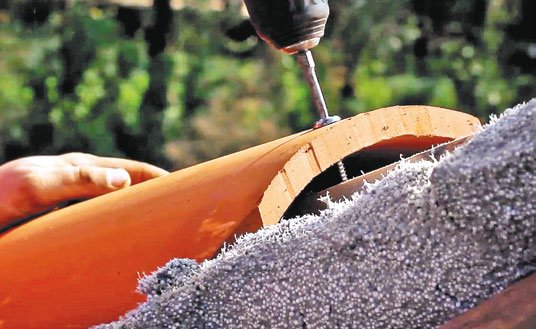
Place Flexim beneath the ridge or hip tile and press the tile firmly into position. Shape and finish the exposed Flexim to create a neat, weatherproof edge.
4. Secure the Ridge or Hip Tile
Where required by the roofing system or local installation requirements, mechanically secure the ridge or hip tiles in addition to bedding them in Flexim.
Flexim does not require mixing or curing and is immediately resistant to rain after installation.